Why Replacing Your Furnace Humidifier Pad Matters This Winter
When Michigan winter arrives, most homeowners are focused on keeping their furnace running and their family warm. But there is another part of your HVAC system that plays a major role in winter comfort: your whole-home humidifier.
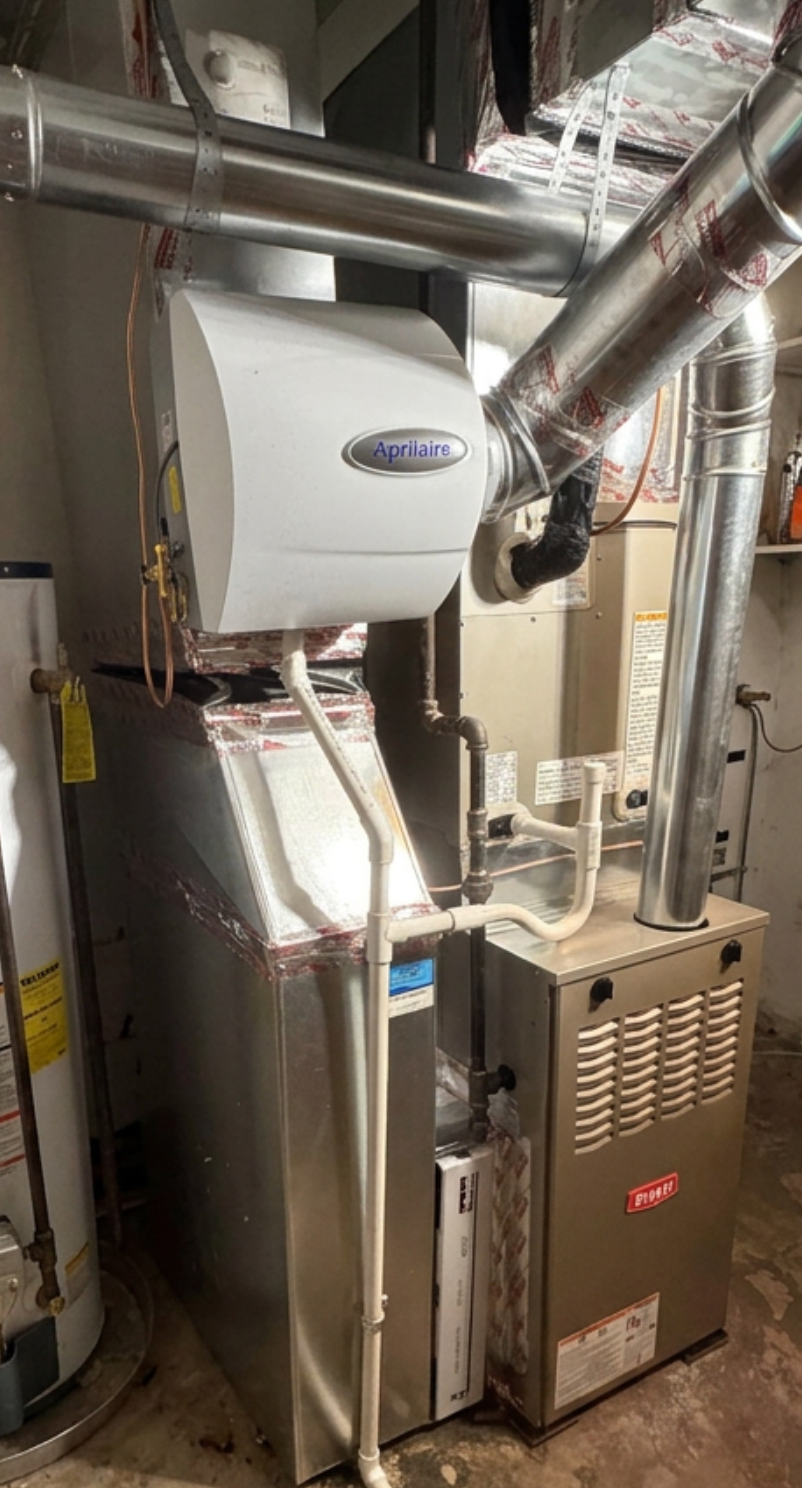
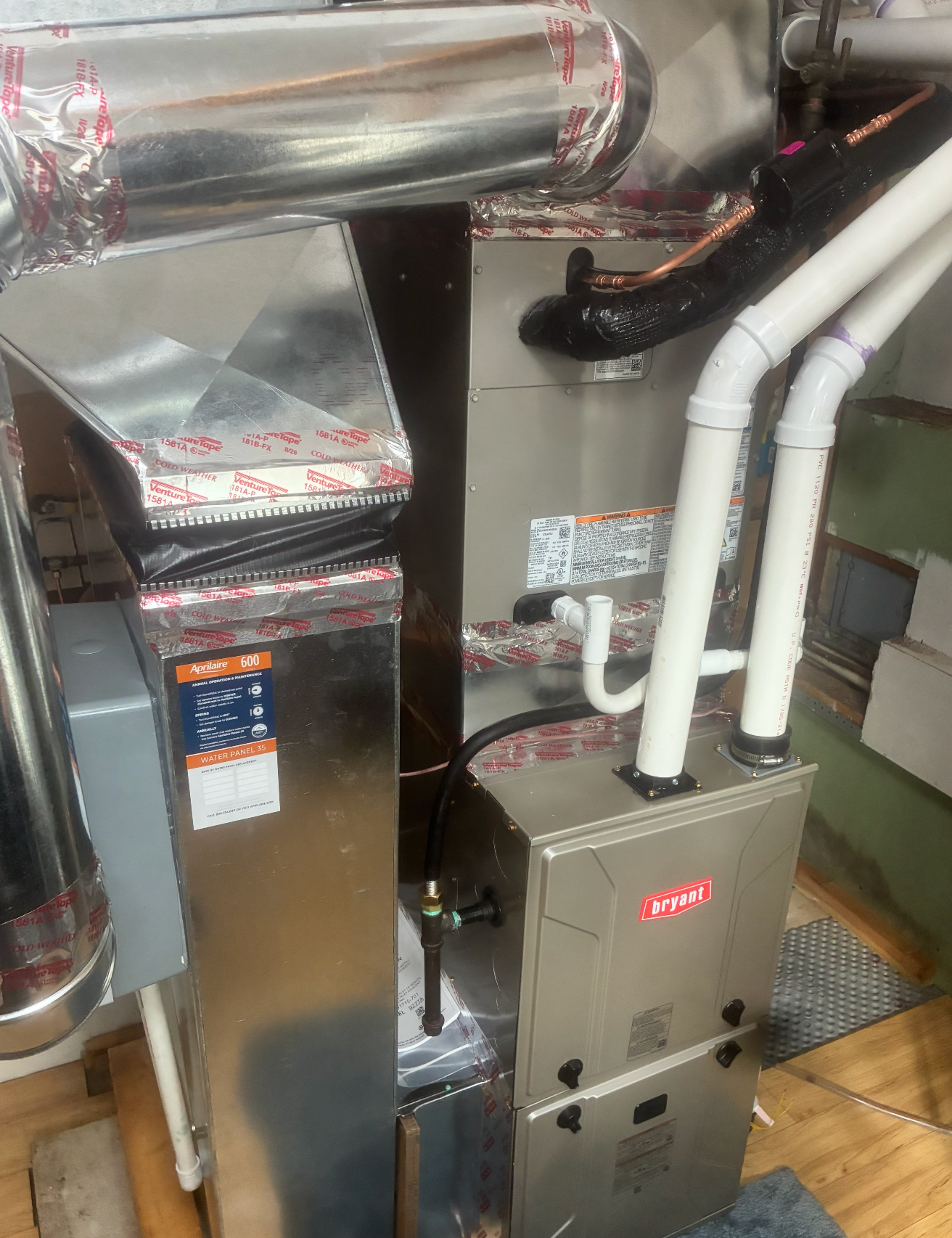
If your home has a furnace-mounted humidifier, that system uses a small component called a
humidifier pad, water panel, or evaporator pad to add moisture to the air. It may be easy to forget about, but that small pad has an important job—and when it becomes clogged with minerals, your humidifier may not be able to do its job properly.
For homeowners in Oakland County and throughout Southeast Michigan, replacing the humidifier pad before the heating season gets into full swing is one of the simplest ways to help maintain comfortable indoor humidity throughout the winter.
What Does a Furnace Humidifier Pad Do?
A whole-home humidifier works with your furnace to add moisture to the air as heated air moves through your HVAC system.
The humidifier pad absorbs water, and warm air from the furnace passes across it. That moisture is then carried through the ductwork and distributed throughout your home.
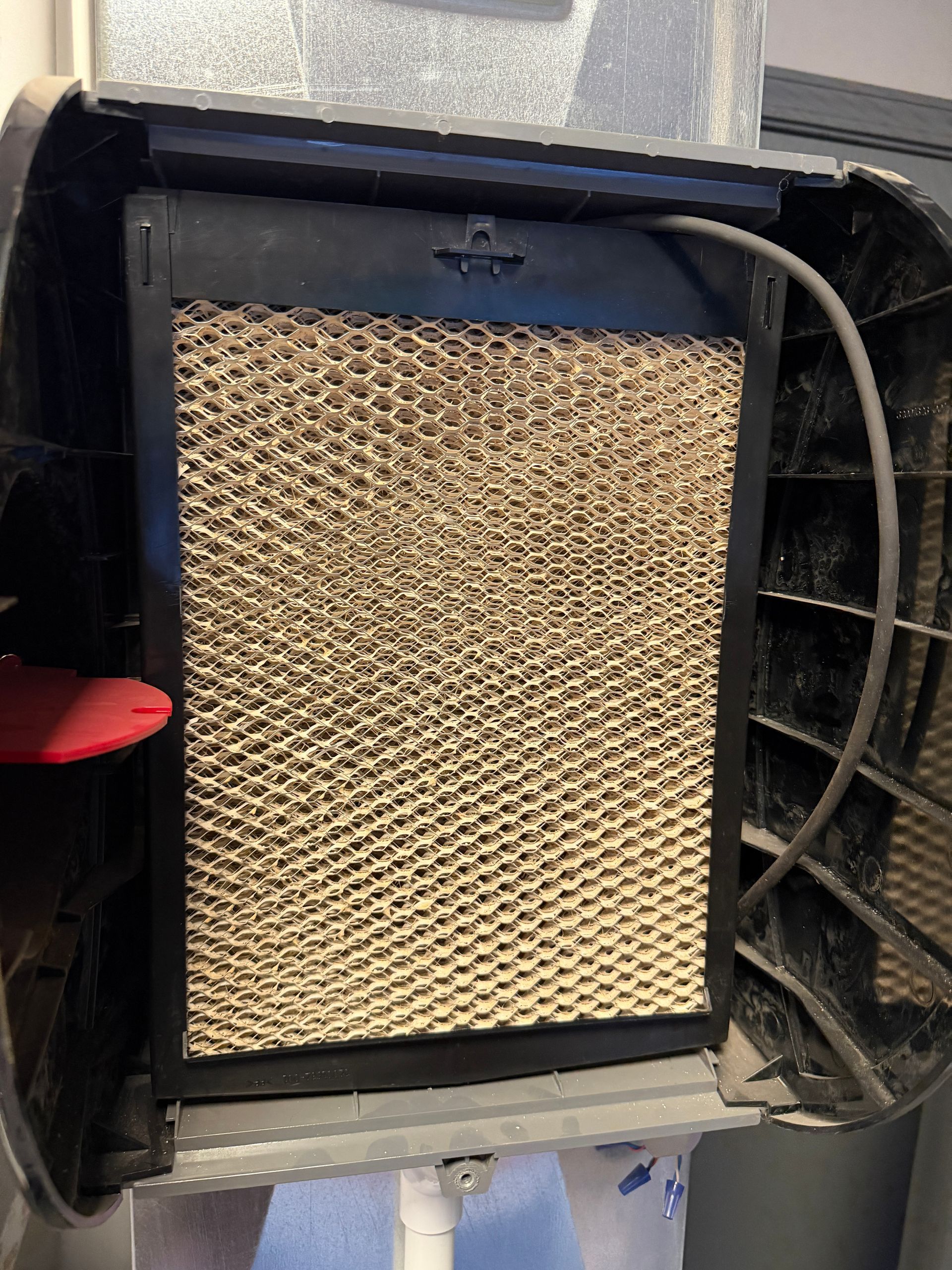
Over time, however, minerals from your home's water supply build up on the pad. The buildup can make the pad crusty, clogged, and less capable of absorbing and distributing water.
According to HVAC manufacturers, the water panel should generally be replaced at least once each heating season. Homes with hard water or systems that operate heavily may require more frequent replacement.
Why Is Humidifier Pad Replacement Important in the Winter?
Michigan winters can be extremely dry indoors. Your furnace heats the air in your home, and as that air is heated, the relative humidity can drop significantly.
That dry air can contribute to problems homeowners commonly notice during the winter, including dry skin, static electricity, irritated nasal passages, and an overall feeling that the house is uncomfortable even though the thermostat says the temperature is right.
A properly operating whole-home humidifier helps put moisture back into the air.
But if the humidifier pad is packed with mineral deposits, the system may not be able to evaporate water effectively. Carrier explains that mineral buildup can make the water panel rigid and clogged, restricting airflow and reducing humidifier efficiency.
In other words, your humidifier can be turned on and still not be doing its job effectively.
When Is the Best Time to Replace a Humidifier Pad?
The best time to replace your humidifier pad is at the beginning of the heating season, before you really need it.
For Oakland County homeowners, that typically means late summer or early fall, before Michigan's colder weather arrives and your furnace begins running regularly.
Replacing the pad before winter has several advantages. You start the heating season with a clean water panel, your humidifier can operate as intended, and you are less likely to discover a clogged or deteriorated pad when the weather is already cold.
Honeywell specifically recommends replacing its humidifier pad annually at the start of the heating season.
This is also why having your humidifier checked during a fall furnace tune-up can make sense. Instead of waiting until January to discover that the humidifier isn't adding enough moisture, you can address the problem before winter is in full swing.
How Often Should You Replace a Furnace Humidifier Pad?
For many whole-home humidifiers, once per year is a good general rule.
However, there is no single replacement schedule that applies to every humidifier. Some manufacturers recommend replacing certain pads twice during the heating season, while homes with hard water may require more frequent replacement because mineral deposits accumulate faster.
Your humidifier's manufacturer recommendations should always take priority.
If you have hard water, notice significant mineral buildup, or your humidifier runs frequently throughout the winter, your pad may need to be replaced more often.
What Happens If You Don't Replace Your Humidifier Pad?
The most common problem is reduced performance.
As minerals accumulate, the pad can become coated and restricted. Instead of absorbing and distributing water efficiently, the buildup can interfere with the humidification process.
A severely clogged pad can also contribute to water-flow and drainage problems. Carrier notes that neglected humidifier maintenance can potentially contribute to water leaks and other problems within the HVAC system.
The result can be a furnace humidifier that is technically running but isn't providing the level of humidity your home needs.
That's why replacing the pad is inexpensive preventive maintenance compared with discovering a humidifier problem in the middle of a Michigan cold snap.
Can You Just Clean the Humidifier Pad?
In many cases, no.
The humidifier pad isn't simply a filter that can be washed and put back into service. Some evaporator pads have a special coating designed to help them absorb and distribute water. General Filters explains that cleaning these pads can remove the hydrophilic coating that allows the pad to work properly.
Once the pad has accumulated significant mineral deposits, replacement is generally the better option.
Your HVAC technician can also inspect the distribution tray, water line, drain, and other components of the humidifier to make sure the entire system is operating properly.
What Humidity Level Should My Michigan Home Have in Winter?
There is a balance when it comes to indoor humidity.
Too little humidity can make your home feel dry and uncomfortable, while too much humidity can contribute to condensation on windows and other moisture-related problems.
Carrier recommends adjusting indoor humidity according to outdoor temperatures, with lower indoor relative humidity targets as outdoor temperatures drop.
That's one reason a properly functioning humidistat is important. Your goal isn't simply to add as much moisture as possible—it's to maintain an appropriate level for the conditions outside.
Don't Wait Until the Middle of Winter
Your furnace humidifier may be a small part of your HVAC system, but it can make a noticeable difference in how your home feels during a Michigan winter.
Replacing the humidifier pad before the heating season begins is simple preventive maintenance that can help your humidifier operate efficiently and provide the moisture your home needs.
If you haven't replaced your humidifier pad recently, fall is a great time to have it checked. A furnace tune-up and humidifier inspection can help make sure your heating system and whole-home comfort equipment are ready before the next Michigan cold snap.
At Mulligan Heating, Inc. we've been helping families across Southeast Michigan stay comfortable since 1955. If you have questions about your furnace humidifier, humidifier pad, or whole-home indoor air quality, give us a call at (248) 698-9700 or visit us online at www.MulliganHeating.com.
Frequently Asked Questions
1. How often should I replace my furnace humidifier pad in Michigan?
Most homeowners should plan on replacing the humidifier pad at least once per heating season, preferably before winter begins. Homes with hard water or heavy humidifier use may require more frequent replacement. Always follow the manufacturer's recommendation for your specific model.
2. When should I change my whole-house humidifier pad?
Late summer or early fall is an ideal time. Replacing the pad before your furnace starts running heavily ensures your humidifier is ready when Michigan's dry winter air arrives.
3. What happens if I don't replace my humidifier pad?
A dirty or mineral-coated pad can restrict airflow and reduce the humidifier's ability to add moisture to your home. In severe cases, neglected maintenance can contribute to water-flow, drainage, or leakage problems.
4. How do I know if my furnace humidifier pad needs to be replaced?
Look for heavy mineral buildup, discoloration, crusting, or a pad that appears clogged or deteriorated. If your humidifier is running but your home still feels unusually dry, the pad is one of the components worth checking. Bryant specifically recommends replacing a water panel if it looks crusted, discolored, or clogged.
5. How much does it cost to replace a furnace humidifier pad?
The pad itself is generally an inexpensive HVAC maintenance component, but the exact cost depends on the humidifier model and whether you replace it yourself or have an HVAC professional inspect and service the system at the same time.
If you are already having your furnace serviced before winter, having the technician inspect and replace the humidifier pad can be a convenient way to take care of both at once.
Recent Posts